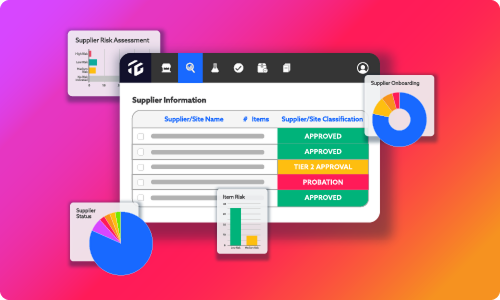
Compliance
Carbon Insights for smarter sustainability and compliance
Make smarter sustainability decisions with clear, science-backed insights into your suppliers, ingredients, and products—powered by carbon action ratings and climate action scores that help teams prioritize impact.
Get answers to questions like What’s driving the biggest environmental impact in your supply chain?|Which suppliers contribute the most emissions and which are improving?|Where should you focus to meet rising regulations like EUDR, CSRD, PPWR, and Scope 3 requirements?|How can you unlock supplier emissions data and carbon footprint estimation without additional paperwork?with Carbon Insights
Take control of your environmental impact
Carbon Insights gives you clear, science-backed answers using the data you already collect, supporting more sustainable sourcing decisions across your global network.

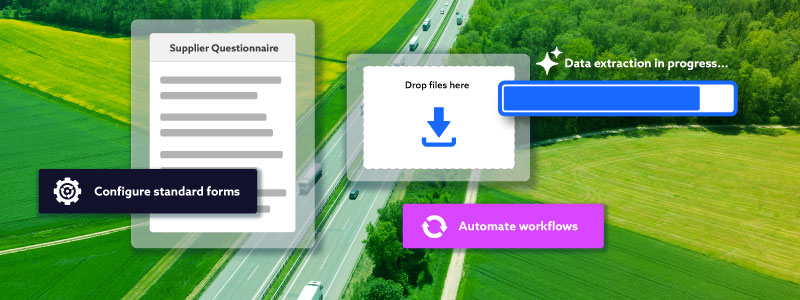
Collect trusted sustainability data at scale—without manual effort.
Collect sustainability and compliance data at scale using digital supplier questionnaires, configurable forms, and automated workflows. Reduce manual follow-ups and fragmented spreadsheets while ensuring consistent, structured data across suppliers, ingredients, and packaging—without adding friction for your partners.
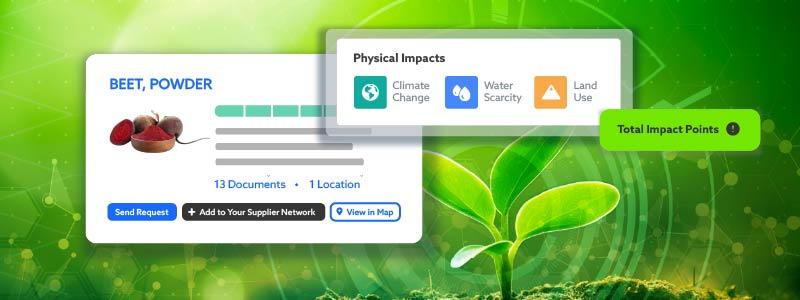
See environmental impact at the product and ingredient level.
Unlock product- and ingredient-level environmental impact insights using the data you already have. Carbon Insights connects formulations, packaging, and sourcing details to generate meaningful impact signals—without requiring suppliers to complete complex carbon surveys or LCAs.
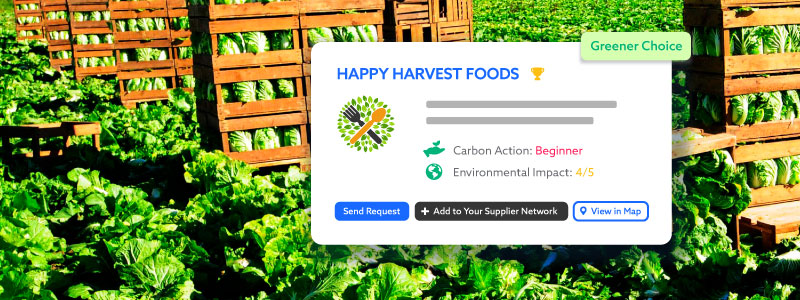
Compare supplier performance and progress in one unified view.
Get a clear, centralized view of supplier sustainability performance. Access emissions data, improvement trends, certifications, and benchmarking in one place, making it easier to compare suppliers, track progress over time, and support responsible sourcing decisions.
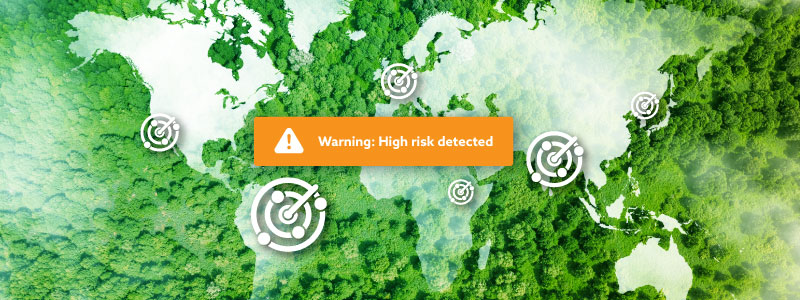
Focus decarbonization efforts where impact is highest.
Quickly identify where emissions and environmental risk are concentrated across your supply chain. Pinpoint high-impact ingredients, materials, categories, or suppliers so teams can focus decarbonization efforts where they matter most—and avoid spreading resources too thin.

Build fast, decision-ready carbon footprint estimates.
Generate real-time, indicative carbon footprint estimates and lightweight LCAs using existing product, ingredient, packaging, and sourcing data. Move faster than traditional LCA approaches while maintaining transparency and traceability as your data maturity grows.
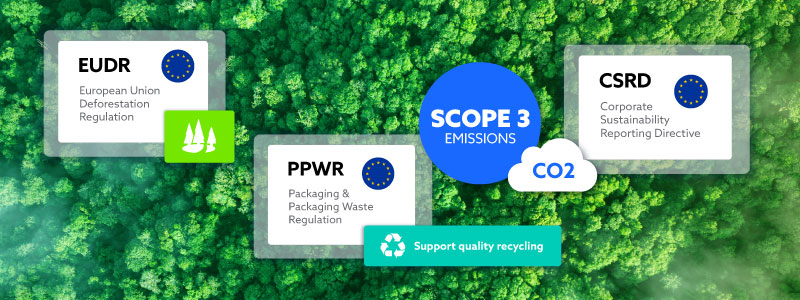
Prepare for evolving sustainability regulations with confidence.
Stay ahead of evolving sustainability regulations with consistent, auditable data collection. Carbon Insights helps align your supply chain data with requirements like EUDR, CSRD, PPWR, and Scope 3.1—reducing last-minute scrambles and supporting confident reporting.
“Most environmental impacts originate in supply chains. To accelerate global emission reductions, climate-conscious decision making must be embedded in daily operations. TraceGains is leading the way in this approach making this vision a reality.”

The sustainability roadblocks holding teams back
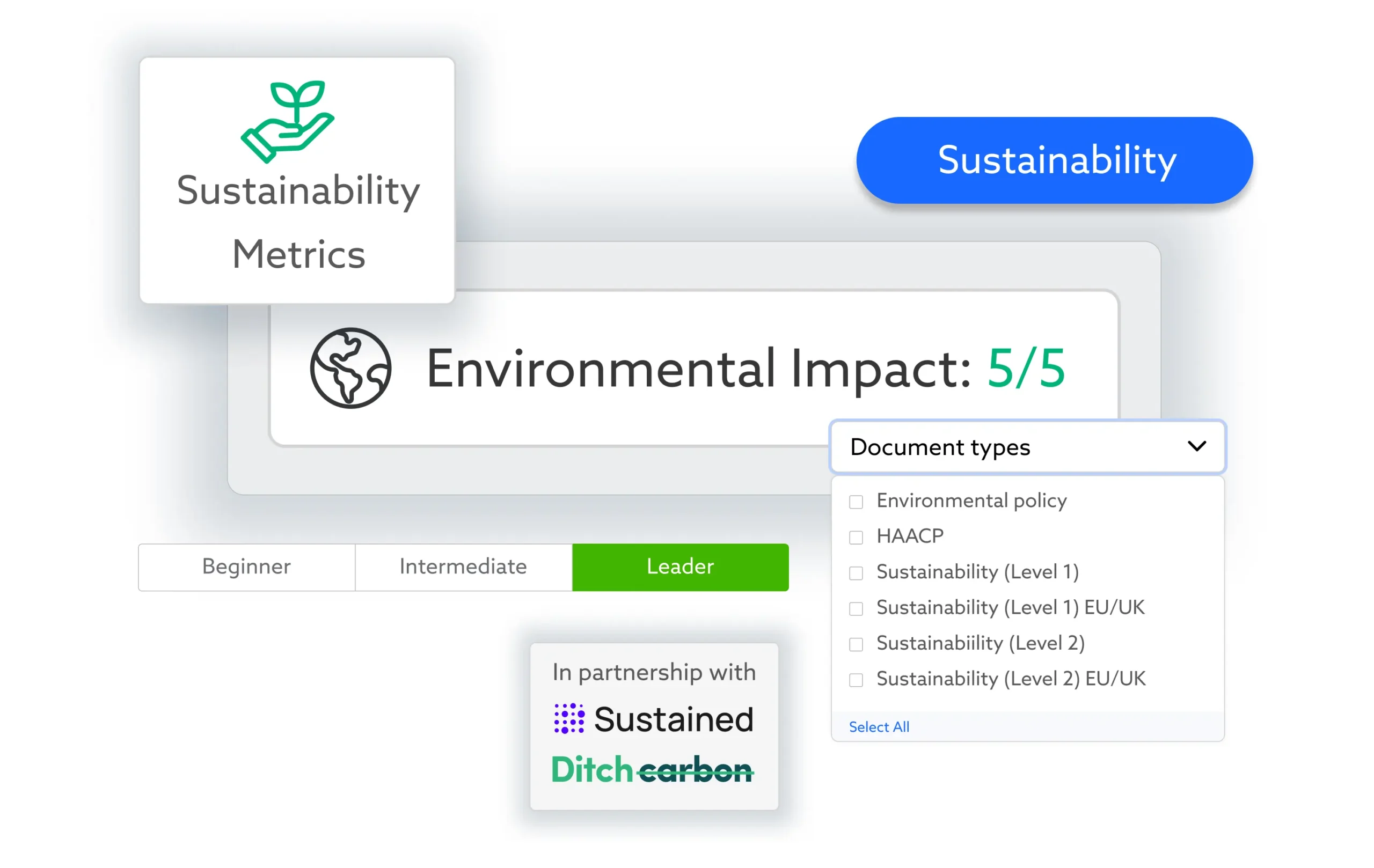
Supplier data gaps
Suppliers may resist long questionnaires simply because of the time they take to complete. Or the fact that they don’t have all the data readily available. But you still need ingredients and information about their environmental impact.
➔ Fill in the blanks
Carbon Insights reduces reliance on direct supplier outreach by unlocking network-based visibility into supplier sustainability and product data.
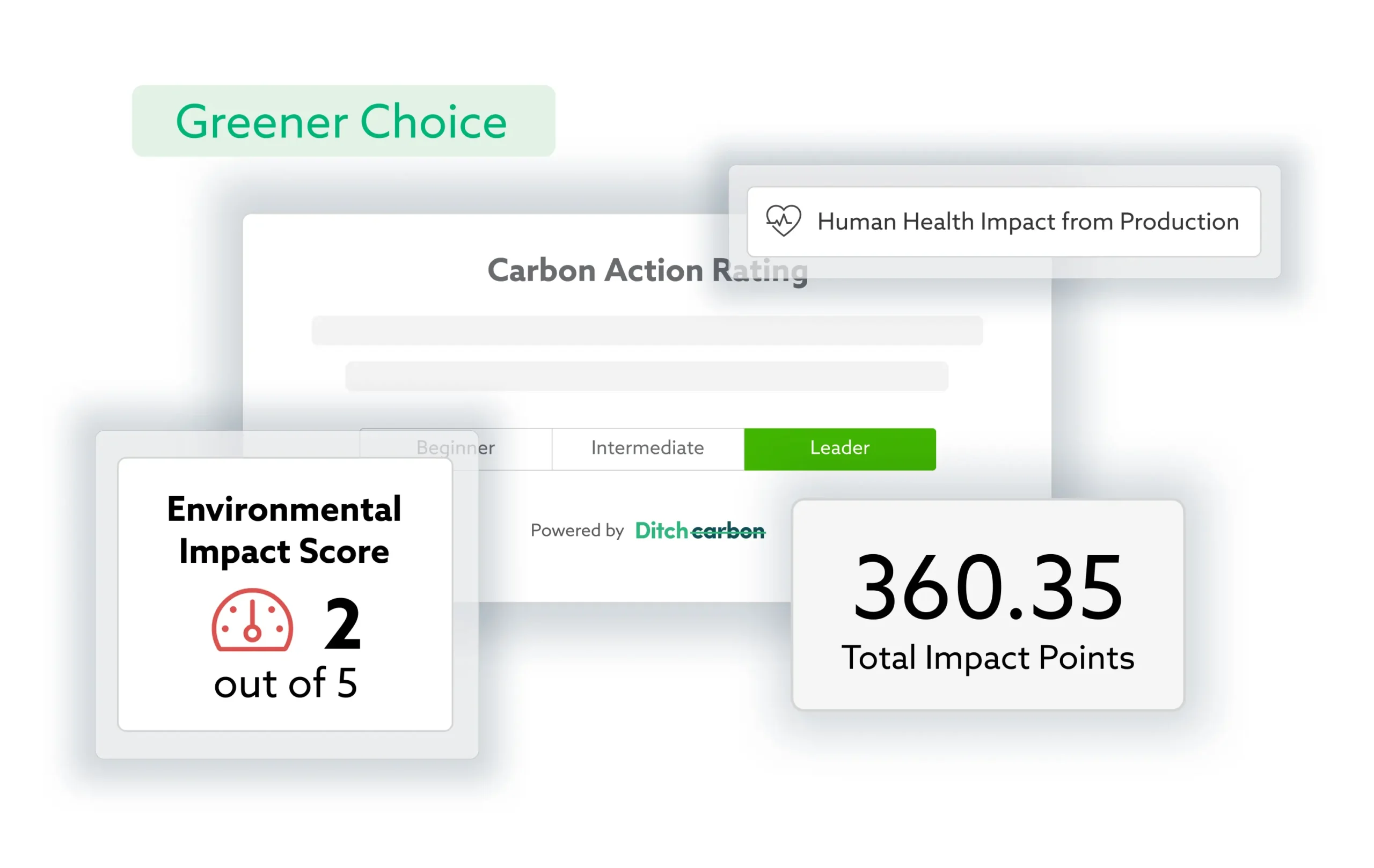
Disconnected product (and sustainability) data
Sustainability data often lives in silos, forcing you to login into multiple platforms—or worse—when you need to hunt down specific details. Whether you’re trying to make a decision about which supplier(s) to use or generate a report, this fragmented approach is slowing you down.
➔ A connected view
Carbon Insights provides scalable visibility across purchased goods, creating a data foundation that can be extended across the global food & beverage supply chain.
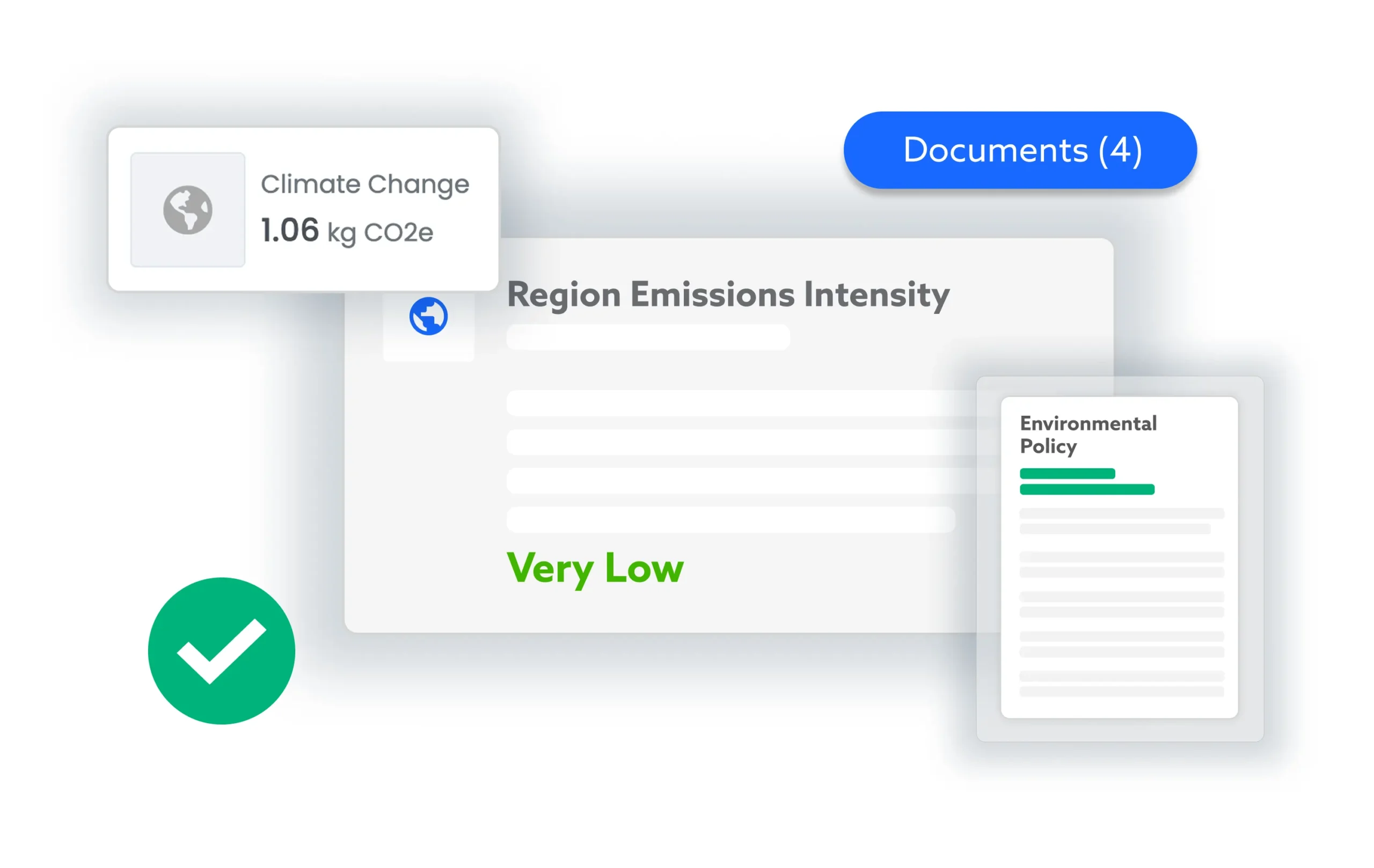
Regulatory pressure is mounting every day
In what feels like a wave of acronyms (EUDR, CSRD, PPWR), regulatory and retailer expectations are accelerating. Many regulations have fast approaching deadlines around deforestation, corporate sustainability reporting, packaging, recycling, and more. Plus, consumer crave transparency about the ESG efforts of the brands they’re supporting.
➔ Go green proactively
Teams need automation, consistency, and digitization to stay compliant and competitive. Give them the eco-friendly tools they need with Carbon Insights.
Powered by industry-leading environmental intelligence
Together, our data partners help scale supply chain sustainability analytics without slowing down operations.

Access supplier-level GHG emissions profiles, Scope 1–3 trends, SBTi alignment, and benchmarking across 30M+ global organizations.

Receive automated, science-based item-level environmental impact modeling aligned to EU PEF, GHG Protocol, and ISO standards.
Frequently asked questions (FAQ) about Carbon Insights
What is Carbon Insights?
Carbon Insights is a TraceGains capability that converts existing compliance data into actionable environmental impact intelligence for sustainable sourcing and regulatory readiness.
Do suppliers need to complete extra questionnaires?
Not necessarily. Carbon Insights uses the data you already collect like Country of Origin and composition, and supplements it with partner data to reduce supplier strain.
How accurate is the data?
Data partners DitchCarbon and Sustained combine primary sources, secondary databases, algorithmic modeling, and global datasets to deliver scalable, science-aligned environmental insights.
Can Carbon Insights support my regulatory reporting?
Yes. It helps teams prepare for EUDR, CSRD, PPWR, and Scope 3.1 data needs by standardizing supplier and item-level insights.
Does this work for all suppliers and materials?
Yes. Carbon Insights can provide indicative estimates even with limited supplier engagement, helping teams prioritize where more data is needed.